
Missing teeth can make daily activities like eating and speaking difficult. They can also affect patients’ confidence and prevent them from showing their teeth when they smile or laugh. If you have several missing teeth or need a few removed and replaced, our Vista Ridge Family Dentistry team would love to help you. With our custom, natural-looking dentures in Cedar Park, TX, we have helped countless patients feel great about their smiles again.
Dentures are restorative dental treatments that replace missing teeth, restore function, and renew the smile’s appearance. We can provide full and partial dentures depending on our patients’ needs.
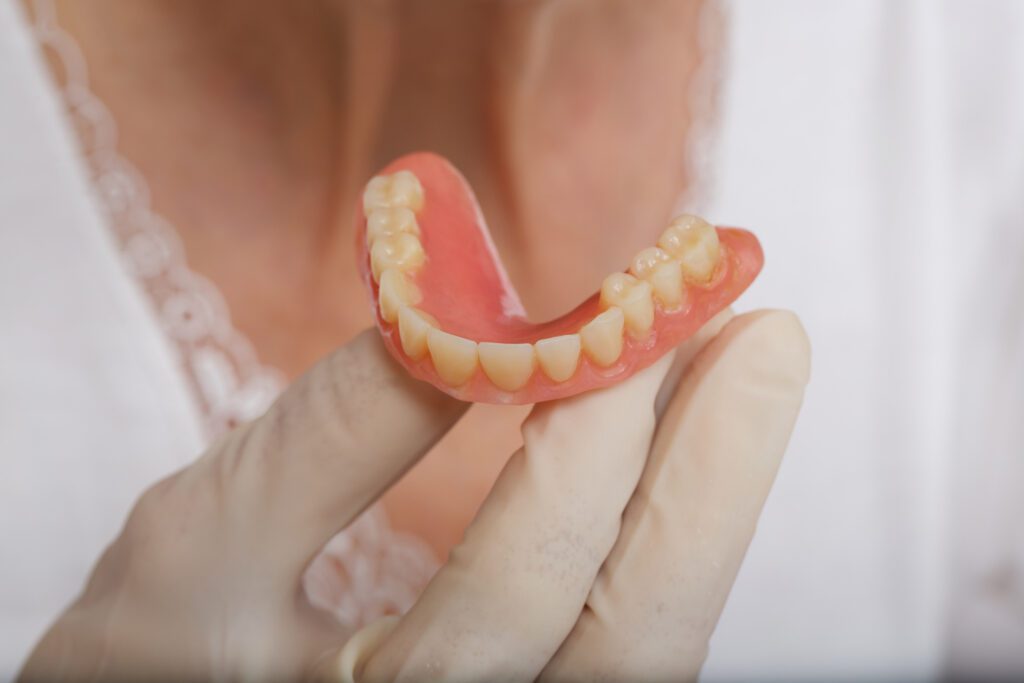
The Benefits of Dentures
Restoring missing teeth with restorations like dentures can prevent missing teeth problems. High-quality dentures offer many benefits to patients, including:
- Increased Self-Esteem: Losing your permanent teeth, especially teeth in the front of your mouth, can cause embarrassment during social situations. After you get your restoration, you can smile with confidence.
- Improved Ability to Eat and Speak: Missing tooth gaps make it difficult to eat and speak. Once you are used to your new dentures, you can pronounce words more clearly, especially “ch” and “th” sounds. You can also eat more of the foods you love.
- Support to the Facial Muscles: When you lose your natural teeth, you also lose facial definition. Without the support of natural teeth, the facial muscles can weaken. As a result, you can experience facial sagging. Replacing missing teeth with dentures can treat a “sunken-in” appearance.
- Simple Removal and Cleaning: Dentures offer easy cleaning. You can clean removable dentures with a toothbrush, water, and soap. If you get an implant denture, you can brush and floss your restoration like natural teeth.
Dentures in Cedar Park, TX
The type of denture you choose will depend on your unique oral health needs and cosmetic goals. Partial dentures are a great option if you have one or more gaps in your smile and want a removable restoration that will rest on top of your gums.
Full dentures replace full arches of teeth, using a special denture adhesive to stay in place. Implant-supported dentures combine the benefits of dentures and dental implants. These dentures can restore many teeth simultaneously but are permanent and incredibly stable. No matter the type of denture, we customize dentures to your mouth’s measurements and desired tooth shade.
Types of Dentures
There are several types of dentures, designed to fit different needs for tooth replacement. The most common types include:
- Complete (Full) Dentures: These are used when all of the teeth in an arch (either the upper or lower jaw) are missing. They consist of a flesh-colored acrylic base that fits over the gums, with a full set of false teeth.
- Partial Dentures: Used when one or more natural teeth remain in the upper or lower jaw. A partial denture consists of a replacement tooth or teeth attached to a plastic or metal framework that clips onto your remaining natural teeth to hold it in place.
- Implant-Supported Dentures: These dentures snap onto dental implants that have been surgically placed in your jawbone. This type offers a more stable and secure fit than conventional dentures, as the implants prevent the dentures from shifting or slipping.
- Immediate Dentures: These are made in advance and can be placed as soon as your natural teeth are removed. This allows you to have teeth immediately after extraction, though these dentures often need to be relined or replaced later once the gums and bone have fully healed and changed shape
How to Care for Dentures
Because there are different types of dentures, they will require different care:
Traditional Dentures
Taking care of traditional dentures will help them look brand new and last many years. First, clean your dentures with a mild soap or cleaner and a soft-bristle toothbrush. Then, soak your dentures overnight to ensure they stay moist and clean.
Dentures should always be rinsed off after being removed from the solution. However, never soak them in hot water, as this can warp the custom shape. You can always use denture-whitening products to enhance their appearance if they look dull.
Implant Dentures
Because implants secure dentures at the root, they are fixed in place. You can care for implant-supported dentures just like your natural teeth. First, floss between your teeth. Then, brush with a soft-bristled toothbrush and non-abrasive toothpaste. You can use a water flosser or interdental floss to remove food debris and bacterial buildup from your dentures.
How Much Do Dentures Cost?
The cost of denture treatment depends on multiple factors:
- Denture type
- Number of missing teeth
- Pretreatments
Dental insurance typically covers restorative dentistry services, including dentures. Our office also accepts CareCredit, which offers payment plans to keep treatment within your budget.
What disqualifies you from getting dentures?
For most people, a lack of teeth is the main qualification for getting dentures. However, there are a few factors that might complicate or disqualify you from getting conventional dentures:
- Insufficient jawbone support: For implant-supported dentures, you need adequate bone density. If your jawbone is not strong enough, you may need a bone graft first.
- Poor oral health: Active gum disease or other oral infections must be treated before you can be fitted for dentures.
- Certain medical conditions: Uncontrolled diabetes, certain blood disorders, and severe osteoporosis can affect the healing process and may be a risk factor for implant-supported dentures.
- Allergies: While rare, an allergy to the acrylic or metal used in dentures could require a different solution.
Dentures FAQs
Dentures are the top choice to replace an entire arch of missing teeth. Learn more.
How long does it take to get used to dentures?
Depending on the individual, adjusting to dentures can take a few weeks to a few months. During this period, patients may experience minor soreness, excess saliva production, and difficulty speaking or eating. Over time, the mouth adapts, and these issues typically improve. Practicing speaking, eating soft foods, and following the dentist’s care instructions can speed up the adjustment process.
Do dentures look natural?
Yes, modern dentures are designed to look as natural as possible. They are customized to match natural teeth and the gums’ shape, size, and color. High-quality materials, such as acrylic or porcelain, mimic the appearance of real teeth. Dentures can provide a beautiful, natural-looking smile with proper fitting and adjustments.
Can I eat normally with dentures?
Yes, but it takes some time to adjust to eating with dentures. Initially, it’s best to eat soft foods and cut food into small pieces to make chewing easier. Avoid sticky or hard foods that could dislodge or damage the dentures. Over time, as you adapt, you can gradually reintroduce more foods into your diet.
Will dentures affect my speech?
Initially, yes. When you first get your dentures, you may find that you have trouble pronouncing certain words. This is because your tongue and facial muscles need to adapt to the new appliance. With a few weeks of practice, reading aloud or repeating difficult words, your speech will likely return to normal.
Can dentures cause bad breath?
If not properly cleaned, dentures can harbor bacteria, leading to bad breath. Regular cleaning, soaking, and brushing of dentures and good oral hygiene help prevent odors. It’s also important to clean your gums, tongue, and natural teeth. Regular dental checkups ensure your dentures remain fresh and free from bacterial buildup.
How long should I expect my dentures to last?
Generally, a set of dentures can last between 5 and 10 years. Over time, your mouth naturally changes shape, and the dentures may no longer fit as securely as they once did. This can lead to discomfort, chewing problems, and a risk of gum irritation. Regular dental checkups are essential to monitor the fit and health of your dentures and determine when they need to be relined, rebased, or replaced.
Can I use regular toothpaste to clean my dentures?
No, regular toothpaste is too abrasive and can scratch dentures, making them more prone to staining and bacterial buildup. Use a non-abrasive denture cleaner and a soft-bristled brush to clean them. Soaking dentures in a cleaning solution overnight also helps remove plaque and bacteria. Your dentist can recommend the best cleaning products for your dentures.
Can I sleep with dentures in?
No, it is strongly recommended that you take your dentures out at night. Wearing them 24/7 can lead to several problems, including gum irritation, bone loss, and an increased risk of fungal infections like stomatitis. Your gums and jawbone need a chance to rest and be exposed to the air. You should also clean your dentures nightly and soak them in a denture-cleaning solution to keep them in good condition.
What should I do if my dentures break?
If your dentures break, you should contact your dentist immediately. Do not attempt to fix them yourself with household glues or other adhesives. These materials can be toxic and can permanently damage the denture, making a professional repair impossible. Your dentist can either repair the denture or, if the damage is severe, advise you on getting a new set.
How do I know when I need new dentures?
You may need new ones if your dentures become loose, uncomfortable, or worn out. Other signs include difficulty chewing, frequent sores, and changes in facial appearance due to bone loss. Dentures typically need to be replaced every 5 to 10 years, and regular dental visits help determine when it’s time for a new set.
What are dentures made of?
Most modern dentures are made from a combination of materials:
Base: The gum-colored base is typically made of acrylic resin (a type of plastic). This material is durable, easy to mold, and looks natural.
Teeth: The replacement teeth can be made of either porcelain or acrylic. While porcelain is more durable, acrylic is more commonly used today because it is lighter and less likely to chip or damage opposing natural teeth.
Restore Your Smile
Are you unsure which denture you need? Feel free to schedule a dental consultation with our office or call Vista Ridge Family Dentistry today at 512-402-7811. If you have any questions about treatment, please let us know, and we can help.